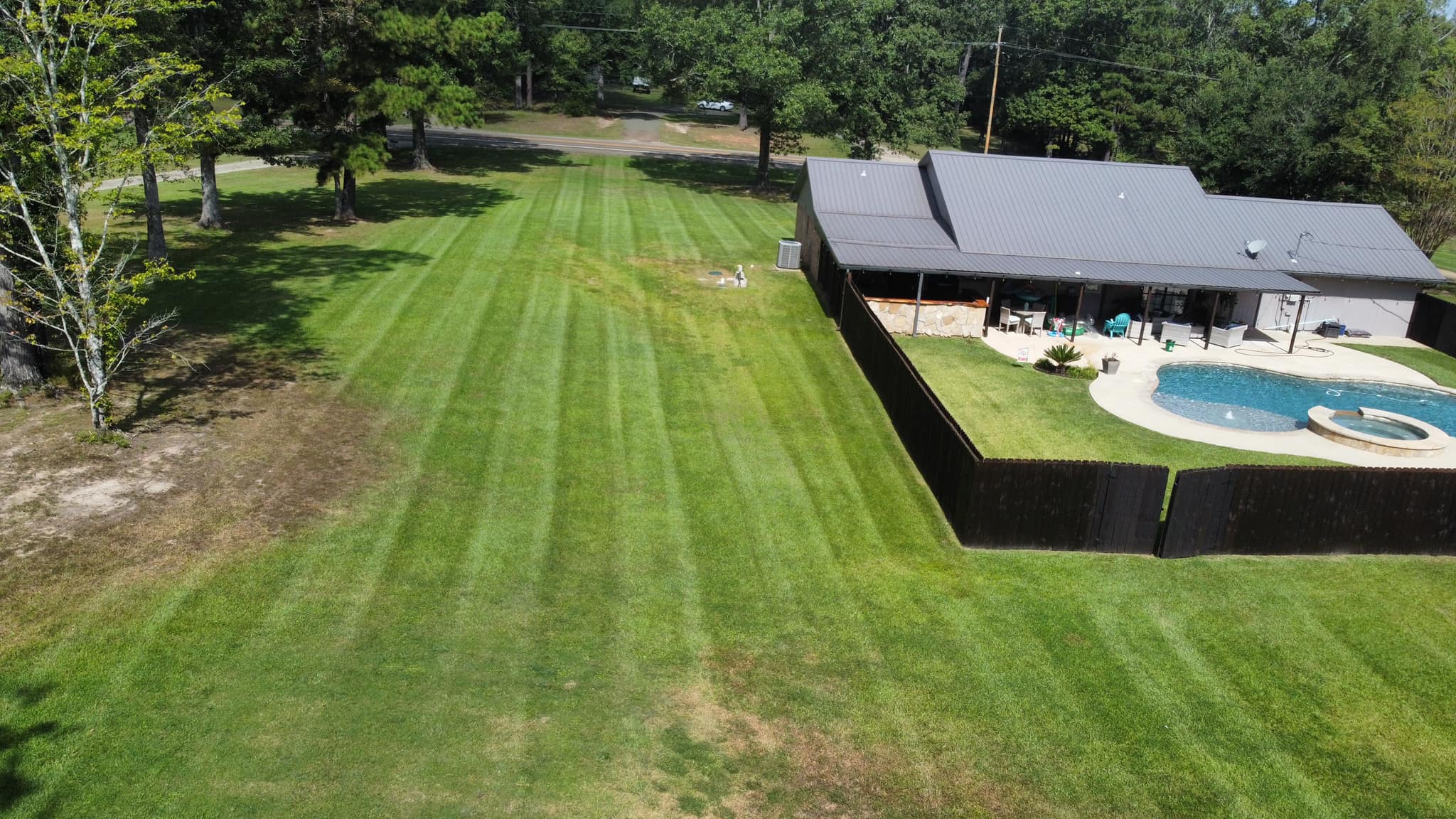
Eco-Friendly Landscaping: Making Your Lawn a Green Paradise Aug 24, 2026
The journey to an eco-friendly lawn begins with plant selection. Choosing native plants that are well-adapted to your local climate and soil conditions is crucial. These plants require less water and maintenance while providing natural habitats for local wildlife. In addition, native flora tends to be more resistant to pests and diseases, further reducing the need for chemical interventions. Consider integrating a mix of perennials and ground covers to maintain visual interest throughout the year.
Next, focus on water conservation, a key element of sustainable landscaping. Overwatering not only wastes a precious resource but can also lead to lawn diseases and nutrient runoff. Implement a smart irrigation system that adjusts watering based on weather conditions, or install a rainwater harvesting system to make use of natural precipitation. Additionally, consider replacing traditional lawn areas with drought-tolerant species or ornamental grasses that offer texture and movement without demanding excessive water.
Soil health is another pivotal factor in achieving a green paradise. Healthy soil is alive with microorganisms that naturally aerate it and supply nutrients to plants, reducing the need for synthetic fertilizers. Start by testing your soil to determine its pH and nutrient levels, then amend it as needed with organic compost or mulch. Mulching helps retain soil moisture, suppress weeds, and add organic matter, which improves soil structure over time.
Speaking of compost, consider setting up a composting system if you haven’t already. Composting kitchen scraps and yard waste not only reduces landfill burden but also provides you with rich organic matter that enhances soil fertility. Use this homemade compost to enrich plant beds and nourish your garden naturally, promoting robust growth and blooming.
Hardscaping is another area where you can apply eco-friendly practices. Use permeable materials, such as gravel, permeable pavers, or wood chips, for driveways and walkways. These materials allow rainwater to percolate through the ground, reducing runoff and replenishing groundwater supplies. Designing outdoor spaces that incorporate recycled or sustainably sourced materials can further minimize your environmental impact.
Incorporating diverse habitats is both beautiful and sustainable. Integrate features like birdhouses or butterfly gardens that attract certain species, contributing to biodiversity in your yard. Native flowering plants such as milkweed and echinacea can attract pollinators like bees and butterflies, crucial for maintaining a healthy ecosystem.
Finally, maintain your eco-friendly landscape through proper techniques. Practice grasscycling, which involves leaving clippings on the lawn to decompose, returning nutrients back to the soil. Regularly prune plants to encourage healthy growth, and limit the use of gas-powered tools to reduce carbon emissions. By combining all these elements, you'll create not only a stunning landscape but also a sustainable haven for all forms of life.
In conclusion, creating an eco-friendly landscape takes thoughtful planning and a commitment to sustainable practices. With Wilkerson Turf Care’s expertise, your lawn can become a green paradise that enhances your home, supports the local ecosystem, and promotes environmental stewardship. Start today and relish in the beauty and satisfaction that comes from making sustainable choices for your landscape.
/filters:no_upscale()/filters:format(webp)/media/375e4f4f-b0a0-47b5-a18d-b53a5b986c8c.jpeg)